Small Molecule Design
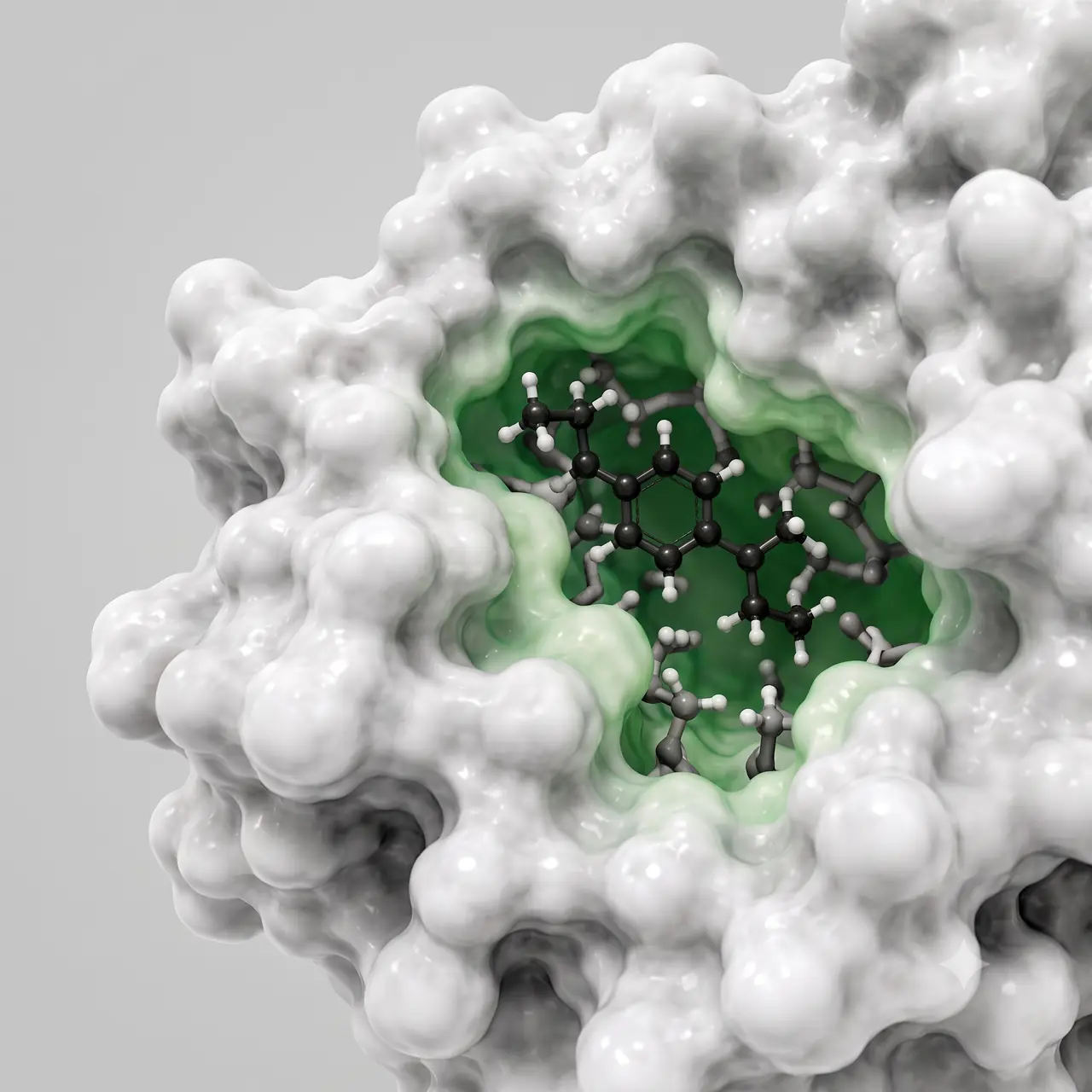
Generative design of novel small molecules optimized for a chosen biological target.
Antimicrobial resistance was directly attributable to 1.27M deaths in 2019, and associated with 4.95M deaths overall — driven by pathogens that keep defeating conventional treatment paths.

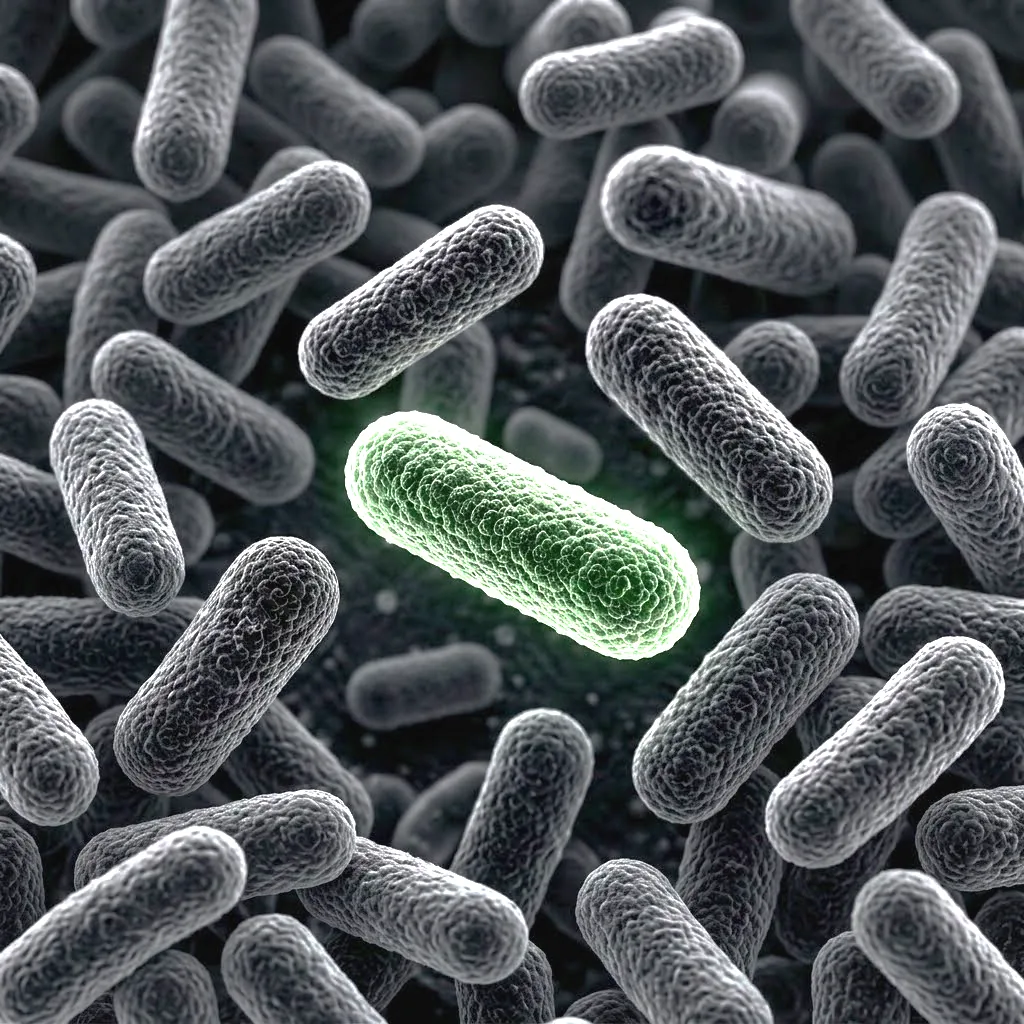
Pseudomonas aeruginosa
A difficult ICU pathogen with resistance patterns that constrain standard treatment options.
Acinetobacter baumannii
A recurrent source of bloodstream and respiratory infections in vulnerable patients.
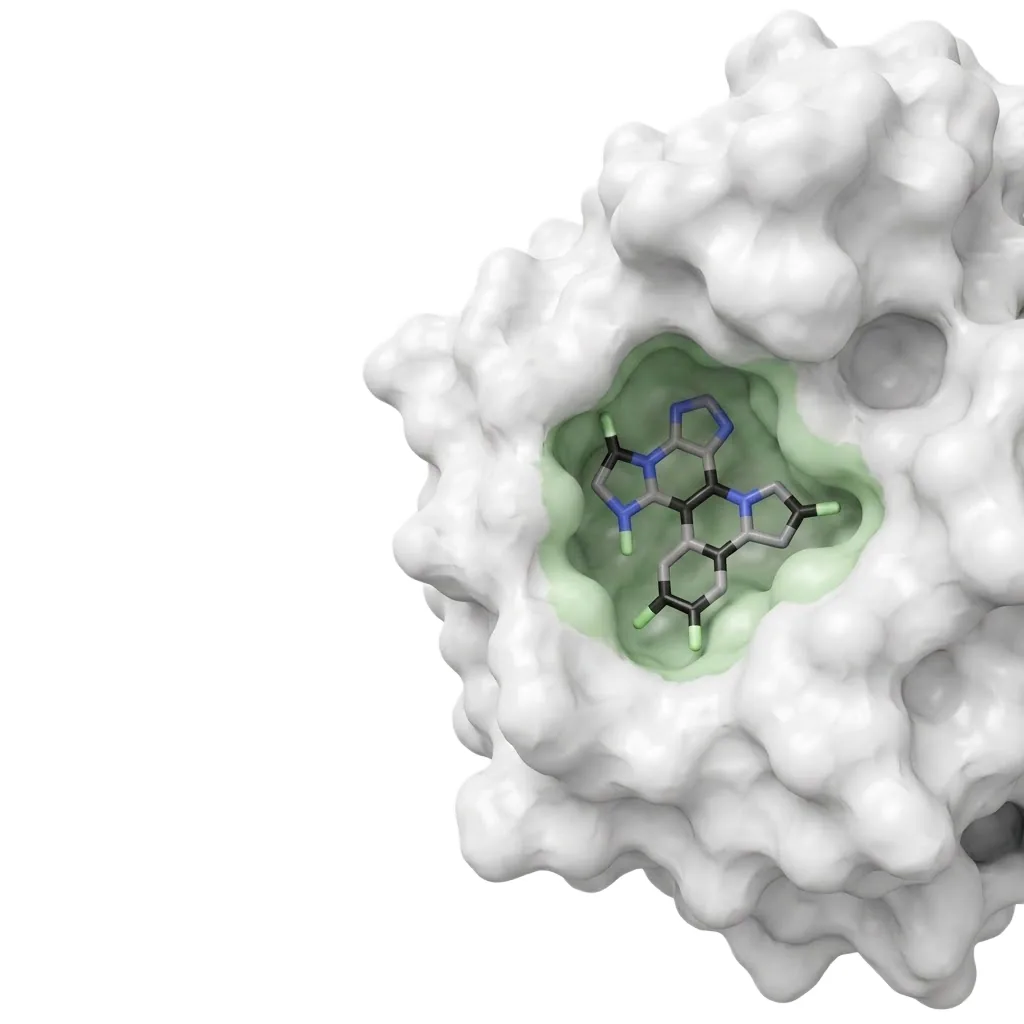
Structure-based small-molecule optimization against priority pathogens. We choose each target because it combines:
Billions spent, decades lost.
Traditional discovery is slow, costly and fragmented — molecular discovery still runs on trial and error.
The AI stack is production-ready.
Agentic AI, docking and molecular dynamics now run as reproducible, chained workflows.
Pharma needs cost & time out.
R&D teams are under pressure to design candidates against high, unmet medical need.
Drug discovery is slow, costly, and fragmented.
We build and use proprietary AI agents to coordinate literature, structural data, molecular design, docking, and validation in traceable workflows. Every research program expands a reusable scientific memory and sharpens the next discovery cycle.
Scientific memory layer
A second brain — every project builds reusable, searchable knowledge.
Agentic workflow engine
Multi-agent systems coordinate literature, structures, tools and reporting.
Explainable discovery
Rationale, risks, analogs, sources and next experiments — every scientific decision stored.
Closed-loop learning
Experimental feedback refines ranking and decisions with each completed project.
Generative design of novel small molecules optimized for a chosen biological target.
Antibiotic candidate discovery against resistant pathogens, from target to lead.
Purpose-built agents coordinate literature, structures, docking, and molecular dynamics.
Explainable scoring turns computational evidence into candidates ready for experimental validation.
Selected neoralab research programs in antimicrobial resistance and small-molecule drug discovery, powered by our internal agents from target selection to candidate prioritization.
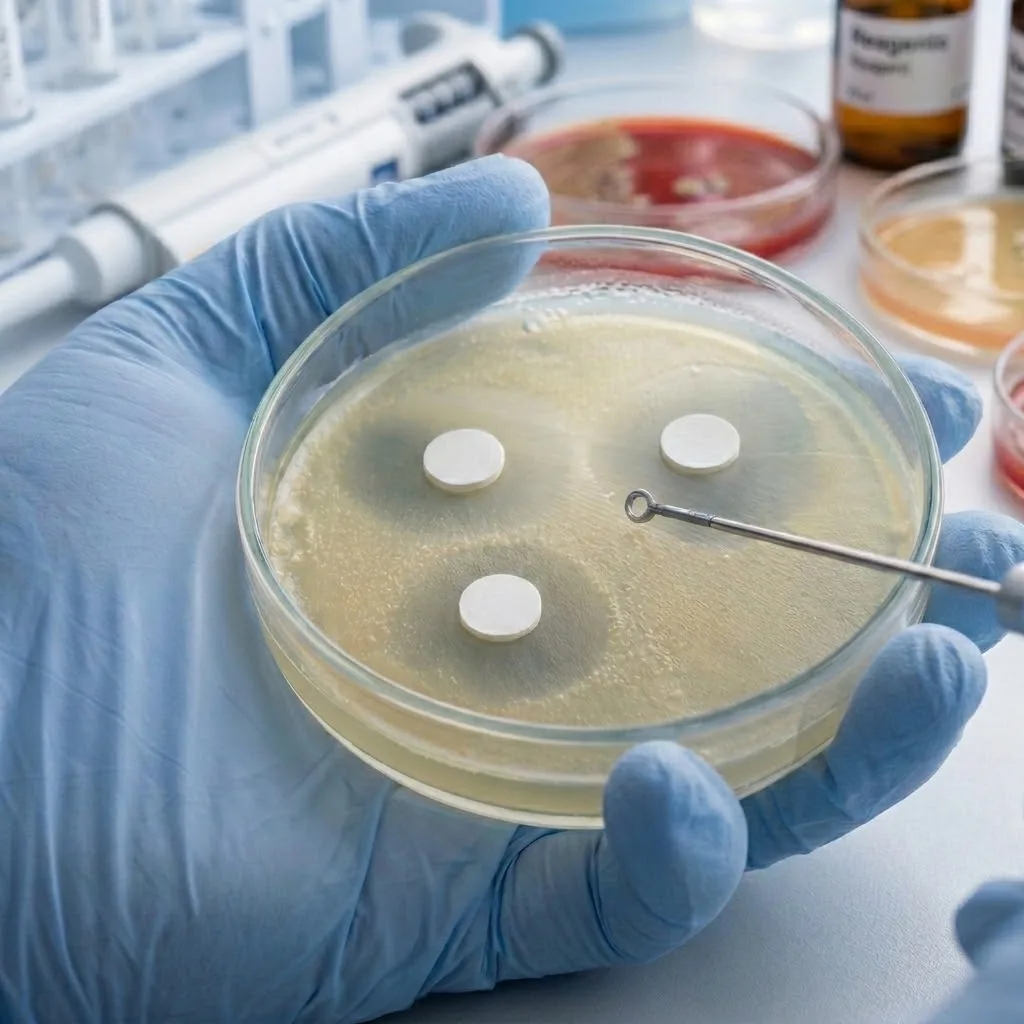
We design small molecules to tackle antimicrobial resistance. Our internal agentic workflows combine generative models, structure-based docking, and in-silico validation to accelerate early discovery and prioritize compounds with real translational potential.
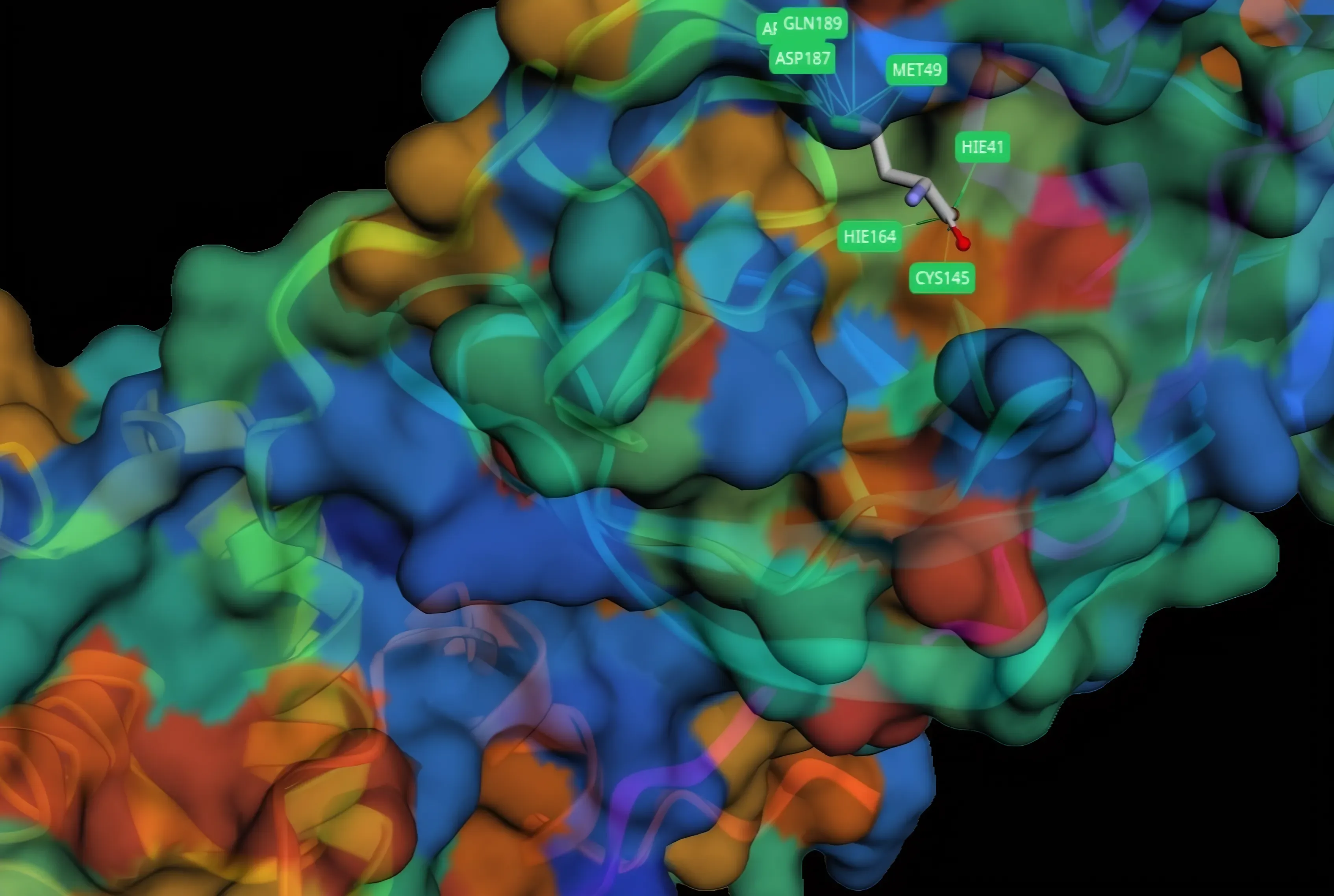
Specialized AI agents move from a biological target to candidate molecules, coordinating generative design, structure-aware evaluation, and iterative refinement.
Publications, research updates, and perspectives from across our work in biotechnology, AI, and drug discovery.
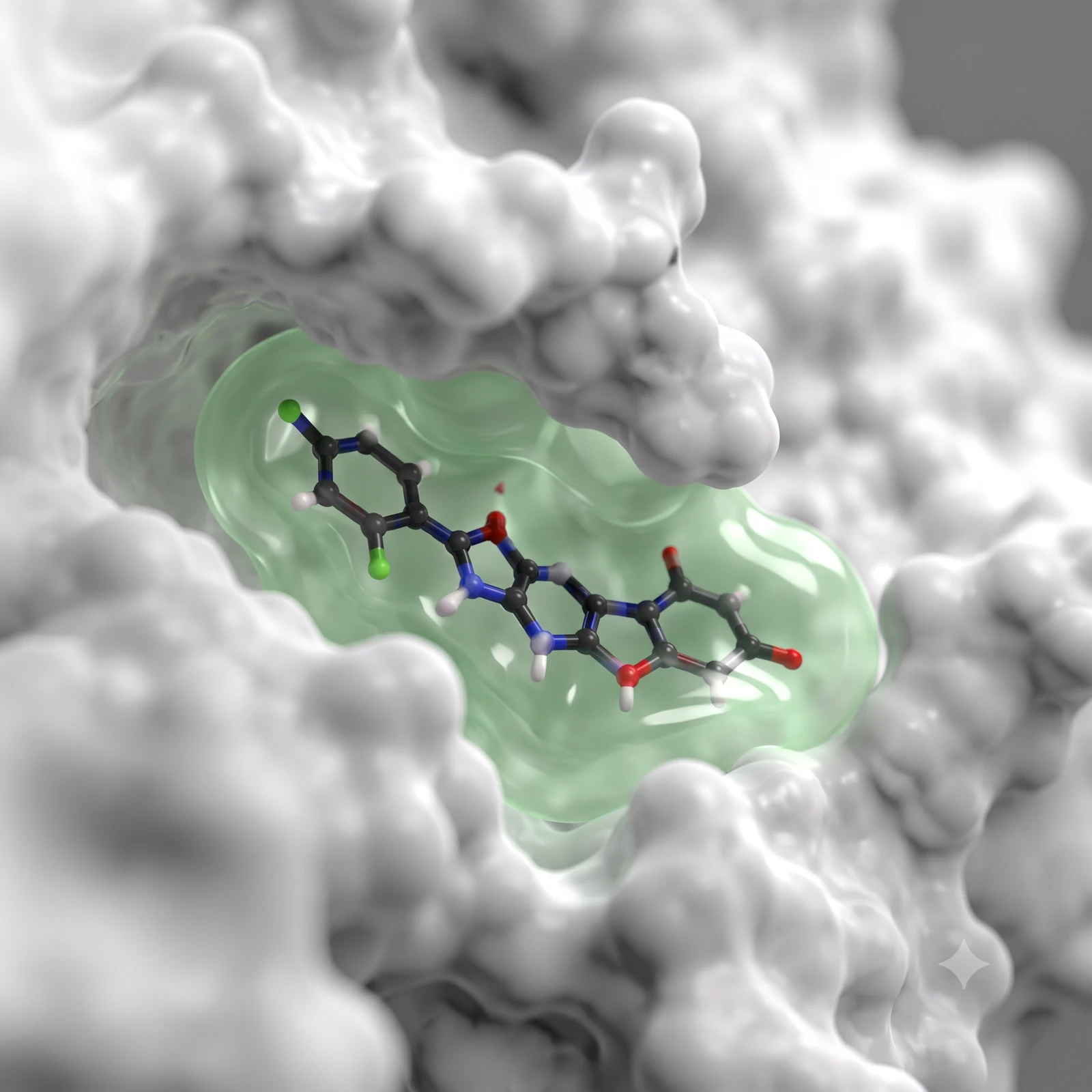
Open research
We publish the data, benchmarks and validations behind our discoveries. Researchers in academia, non-profits and industry can now request a neoralab account and use the platform in their own work.
Request access
We unite biotechnology, agentic AI, and a multidisciplinary team around a clear vision: discover better antibiotics faster and turn computational insight into experimentally testable candidates.
We are a biotech team of scientists, AI engineers, and builders focused on discovering new therapies against antimicrobial resistance.
We welcome conversations with biotech and pharma teams, research partners, and investors working to overcome antimicrobial resistance.
or write to [email protected]