Target biology
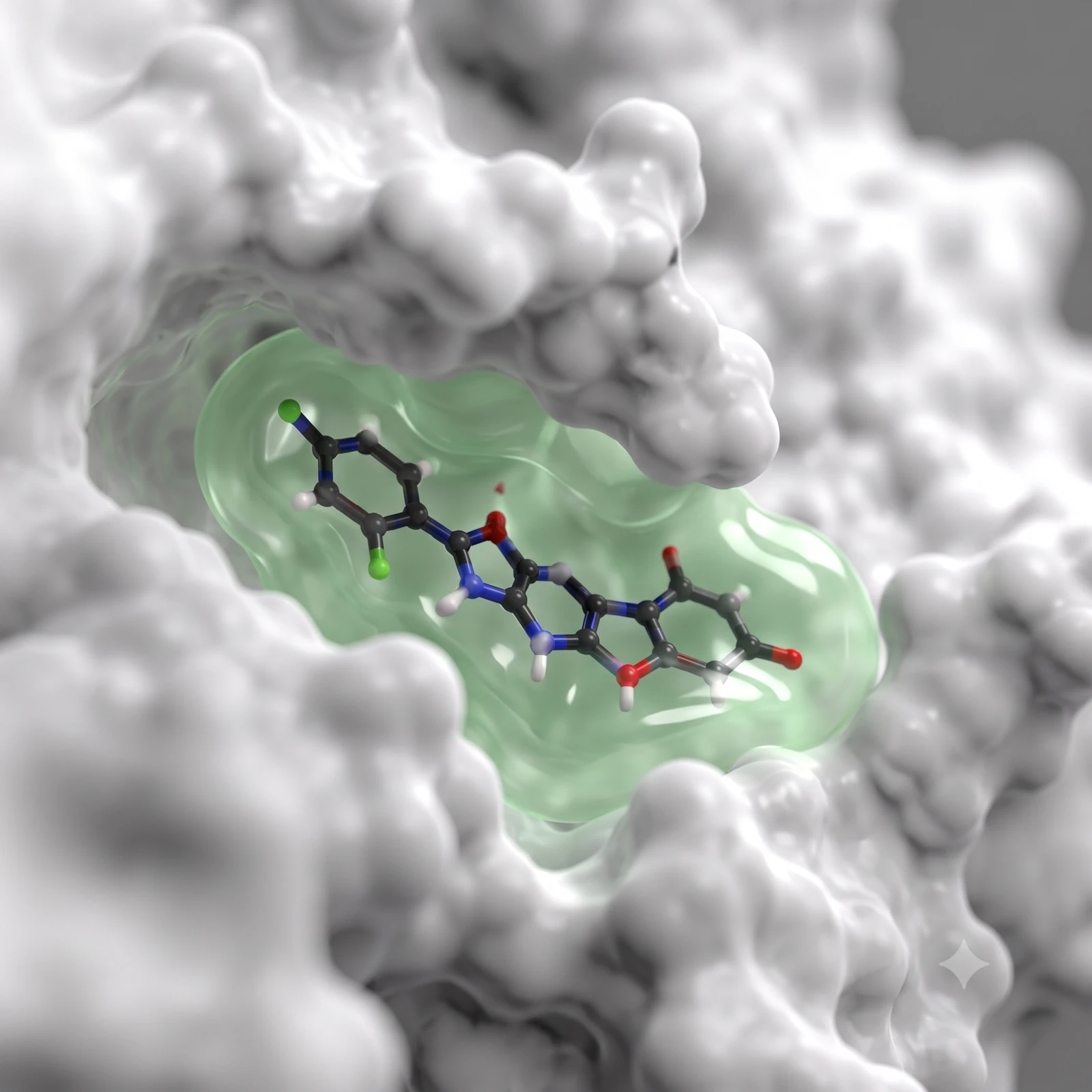
Examine structure, binding pockets and biological mechanism before designing compounds.
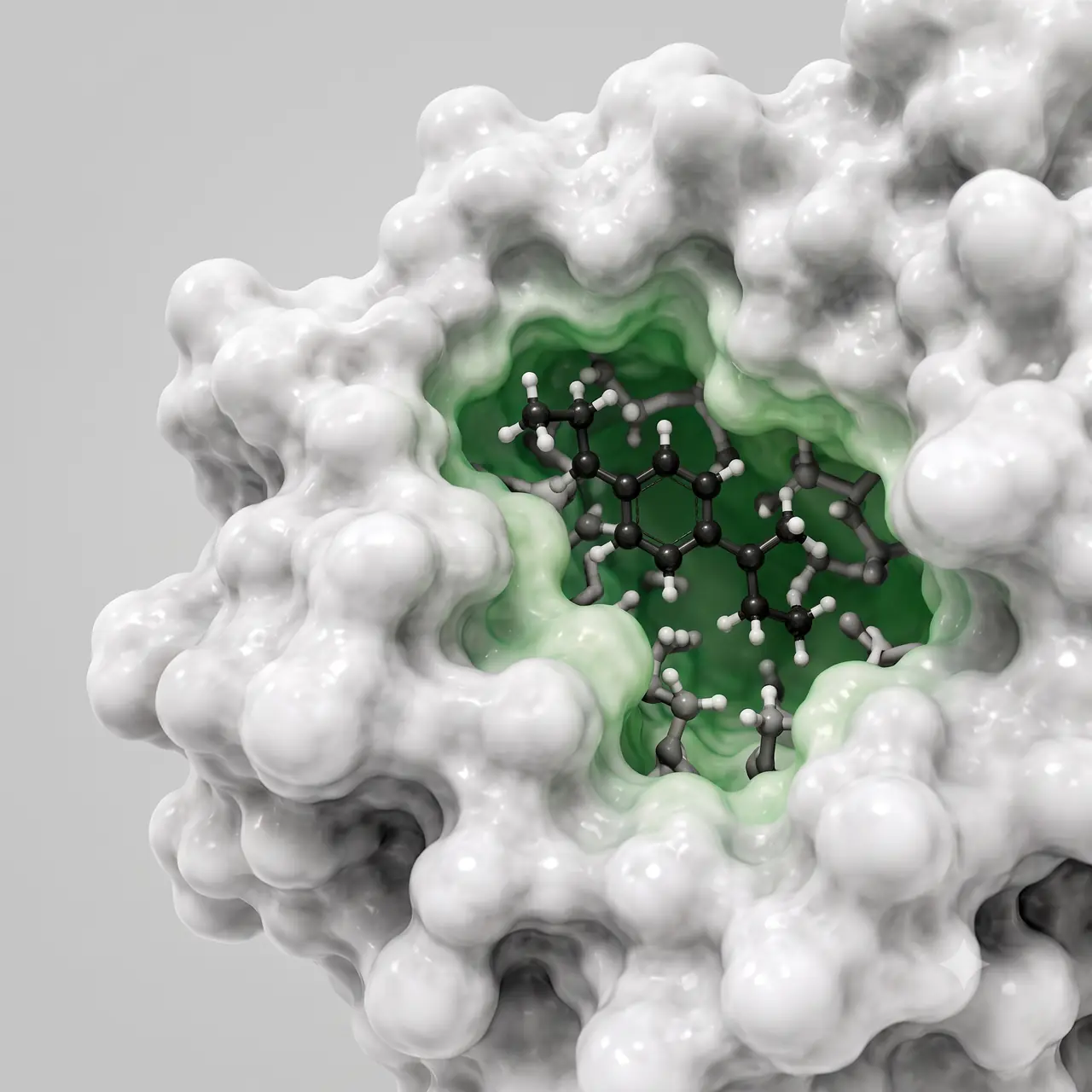
Advancing small-molecule discovery through proprietary computational technologies and molecular biology for patients, clinicians and pharmaceutical partners.
We welcome research groups, biotech and pharma teams to collaborate on discovery or apply for platform access.
Bring a biological target or an existing molecular series.
You bring the target. We build the program.
You bring a series. We work potency and properties.
Verified researchers at universities, nonprofits and companies can apply for free core platform access.
Subject to review, available capacity and fair-use limits. Research IP stays with its rights holders; commercial data sharing is not required.
Biology, molecular design, computational evidence and the wet lab only work when they inform each other. We run them as one iterative research process.
Our proprietary platform is the engine behind it: scientific reasoning, design and simulation in one place.
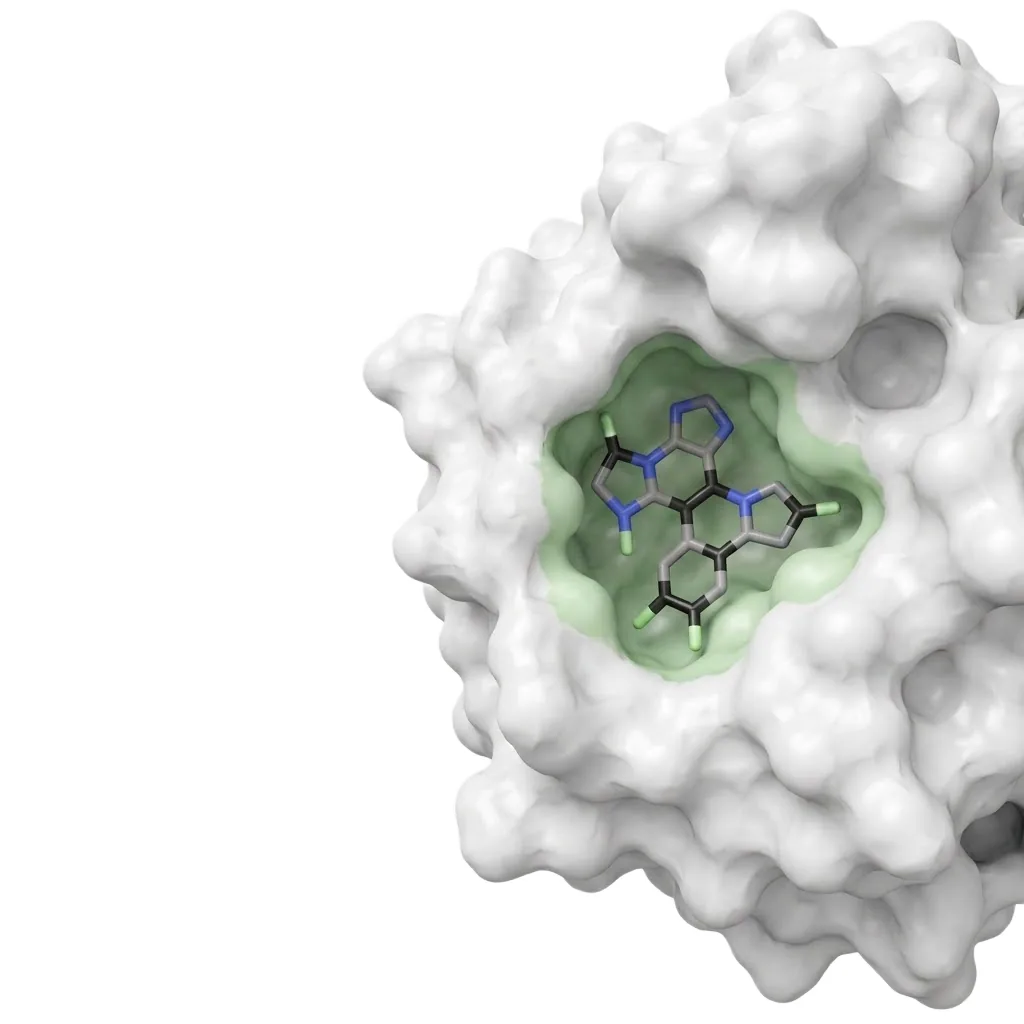
Examine structure, binding pockets and biological mechanism before designing compounds.
Develop candidate series around target interactions, with a rationale for each molecular change.
Compare binding predictions, molecular properties and ADME estimates to prioritize candidates.
Use experimental findings, where available, to refine the next round of molecular design.
Agentic workflows connect literature, structures, design and analysis. Scientists assess the evidence and decide what to test next.
Scroll horizontally to explore the illustrative lineage.
Proprietary small-molecule programs for future development, partnering, or licensing. We begin with antimicrobial resistance.
Early discovery
We investigate small molecules with the potential to complement existing antibiotic therapies. Experimental validation guides what moves forward.

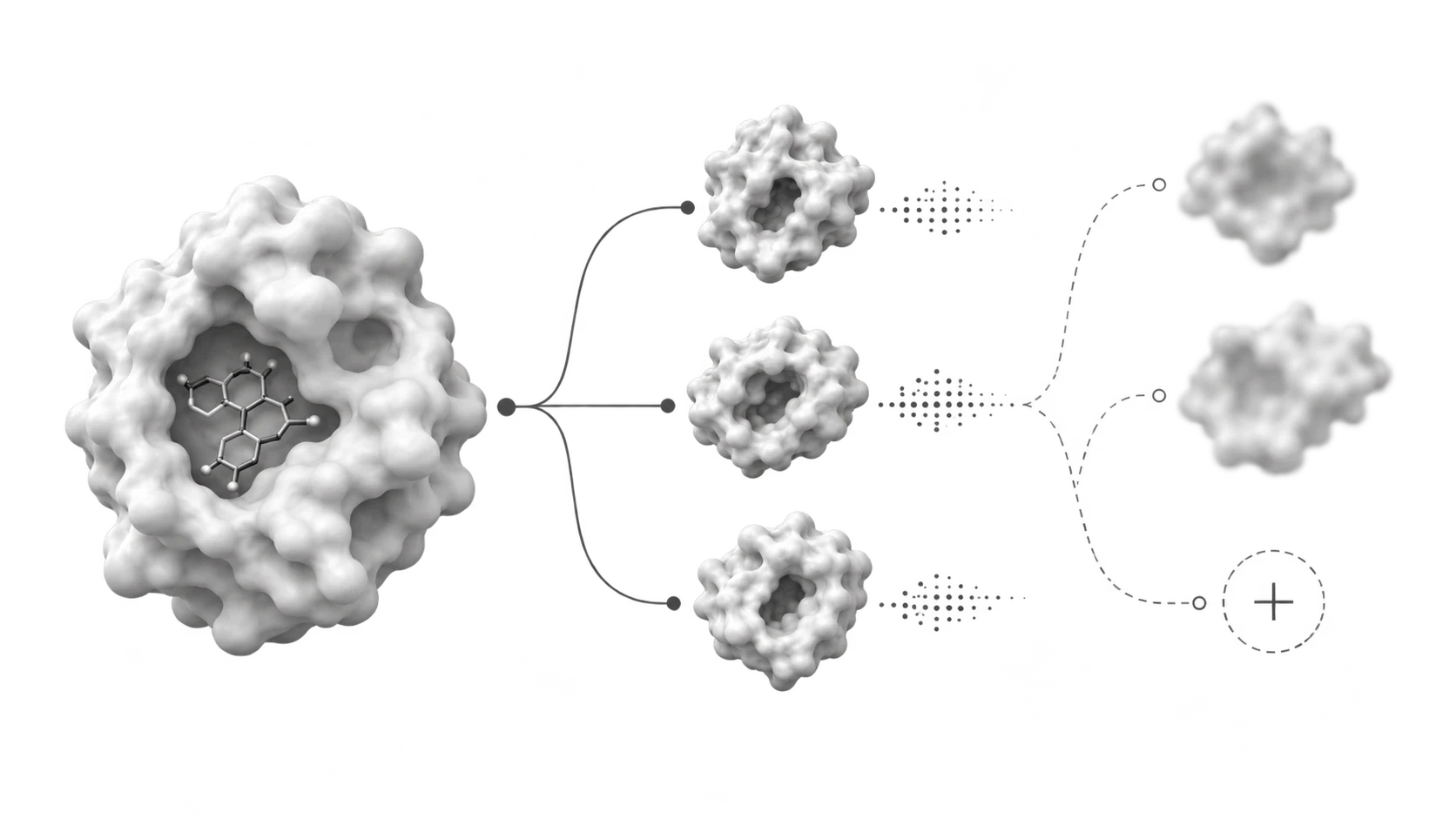
Our computational approach can investigate biological targets across therapeutic areas. AMR is our active program; additional programs are exploratory and still ahead of us. We welcome partner-proposed targets and molecular series.
Every program leaves behind mechanistic insight, computational results, and the provenance to reproduce them.
Computational results, in-silico synthetic data and wet-lab feedback from NeoraLab’s own research build a curated knowledge base.
Each cycle refines our workflows and can help advance frontier models in biology, supporting faster, better research.
Private user research stays protected and under its rights holders’ control.
How we handle research data
We pair scientific reasoning with molecular design, with deep expertise in protein dynamics and allosteric regulation.
AI widens the search. Judgment, traceable evidence and wet-lab validation decide what we advance.
We bring together AI engineering, software, molecular biology, and computational research to pursue new small-molecule therapeutics.
We can reassess existing compounds, explore alternative molecular scaffolds, and investigate new target hypotheses. Our computational approach helps identify what may be worth testing next.
Explore alternative cores while retaining molecular interactions relevant to binding.
Revisit potency, selectivity or physicochemical limitations in existing leads.
Assess plausible new target hypotheses for known compounds before experimental testing.
We welcome conversations with pharma and biotech teams, scientific collaborators, and investors.
or write to [email protected]